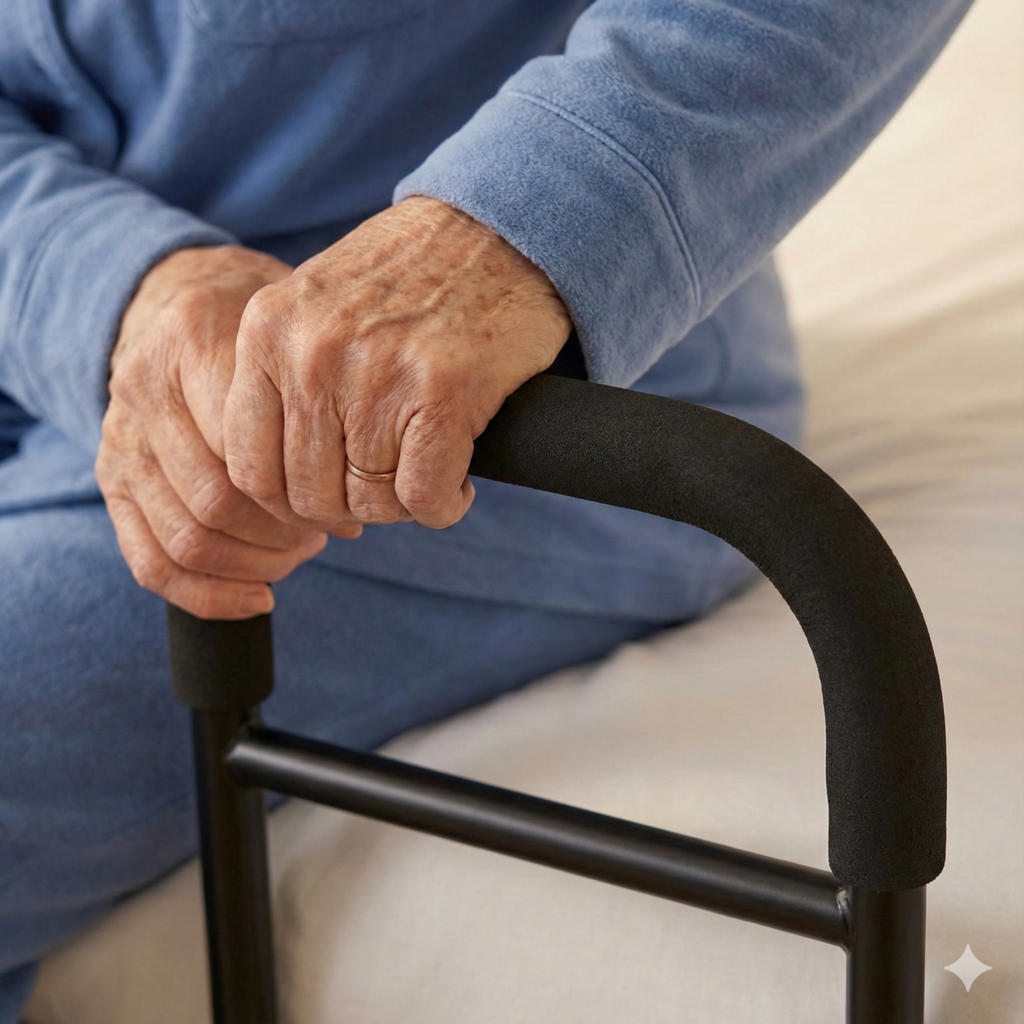
Creating a comprehensive aging in place checklist is the first step for any family deciding between a nursing home and keeping a loved one at home.
Disclosure: This post contains affiliate links. As an Amazon Associate, I earn from qualifying purchases. This means if you click a link and buy something, I may receive a small commission at no extra cost to you.
For years, safety meant expensive 24/7 care. But in 2025, the gap is closing. With the rise of affordable “passive monitoring” technology, staying home is often the most affordable option. This guide acts as your essential aging in place checklist, covering how to retro-fit a home for safety on a budget, and the hidden financial benefits you might be missing.
The Financial Reality: Home vs. Facility
Before we look at the gadgets, let’s look at the math. Most families assume 24/7 home care is more expensive than a facility. While true for human care, a hybrid model (human + tech) drastically changes the equation.
| Cost Factor | Assisted Living (Avg/Mo) | Aging in Place (Hybrid) |
|---|---|---|
| Base Rent/Mortgage | $4,500 – $7,000 | $0 – $1,500 |
| Care Services | Included | $25/hr (As needed) |
| Technology Setup | N/A | $500 (One-time) |
| Total Est. Year 1 | $54,000 – $84,000 | $18,000 – $30,000 |
Key Takeaway: You can save over $30,000 a year by using technology to cover the “night shift,” paying for human caregivers only when hands-on help is needed.
The Aging in Place Checklist: The $500 Smart Safety Kit
You do not need an expensive ADT system. In 2025, “passive monitoring” allows you to know your parent is safe without using invasive cameras.
Here is the essential technology to add to your aging in place checklist (all for under $500):
- 🔌 Smart Plugs with Energy Monitoring ($40): Plug the coffee maker and TV into these. If you don’t see energy usage by 9:00 AM, you know something is wrong. No cameras needed.
- 🏃 Motion Sensors for Hallways ($30/each): Place these along the path to the bathroom. If motion is detected in the bathroom for more than 45 minutes, you get an alert.
- 🔒 Smart Door Locks ($150): Stop worrying about lost keys. Grant temporary access codes to nurses or grocery delivery drivers, and see exactly when they enter and leave.
- 🗣️ Voice-Activated 911 ($50): Devices like the Amazon Echo Dot allow a senior who has fallen and cannot reach a phone to simply scream, “Call for help.” (Also see: 5 Best No-Monthly-Fee Medical Alert Systems).
Bedroom Safety: The Often Overlooked Zone
While the bathroom gets all the attention, falls frequently happen in the bedroom during the night. A complete aging in place checklist must address the sleeping area.
- Bed Height: Ensure the bed is at a height where your loved one’s knees are at a 90-degree angle when sitting on the edge. Too low makes it hard to stand; too high is a fall risk.
- Clear Nightstands: Keep phones, glasses, and water within easy reach so there is no need to overextend or get out of bed in the dark. If the room is cluttered, check our guide on How to Declutter a Parent’s Home Without a Family Feud.
- Lighting: Install motion-activated night lights under the bed frame. As soon as feet hit the floor, the floor illuminates, preventing trips over slippers or rugs.
Hidden Benefits & Tax Credits
Many families miss out on financial aid because they don’t know where to look.
- The “Medical Necessity” Tax Deduction: If you install ramps, grab bars, or smart monitoring systems specifically for a medical condition, these can often be deducted. (Source: IRS Pub 502).
- Utility Rebates: Many local utility companies offer rebates for smart thermostats and efficient lighting, which effectively pays for part of your safety upgrade.
FAQ: Common Aging in Place Questions
Q: Is it safe to leave a parent with dementia alone with smart tech?
A: Generally, no. Smart tech is best for seniors with mobility issues. For advanced dementia, human supervision is usually required.
Q: What is the most important item on an aging in place checklist?
A: Communication. Before buying any gear, have a frank discussion with your loved one about their goals. Tech works best when the senior sees it as a tool for independence, not a tool for surveillance.